
Table of Contents
Tooth loss can change ordinary parts of the day. Chewing may feel less steady. Speech can sound different. Smiling in photos may take more thought than it used to. When it is time to replace missing teeth, many patients begin by comparing dentures and dental implants.
The dentures vs implants decision is not about finding one answer that works for everyone. It is about choosing the option that fits your mouth, health, budget, timeline, and expectations. Both treatments can restore missing teeth, but they do it in very different ways.
When should I consider dentures or dental implants?
You should consider dentures or dental implants if you have missing teeth, trouble chewing, loose teeth, or want a more stable and natural-looking tooth replacement option.
How Dentures Work
Dentures are removable replacement teeth that rest on the gums. A full denture replaces an upper or lower arch. A partial denture fills spaces when some natural teeth remain. Dentures are often used when a patient has lost several teeth or wants a more affordable way to restore their smile.
Dentures take practice at first. Speaking and chewing can feel different for a few weeks. Lower dentures may feel less secure than upper dentures because the tongue and floor of the mouth are constantly moving. Adjustments are common as the gums heal or change shape.
How Dental Implants Work
Dental implants, on the other hand, replace the root portion of a missing tooth. A small implant post is placed in the jawbone. After healing, it can support a crown, bridge, or denture. Implants can replace one tooth, several teeth, or a full arch.
Implant treatment usually takes longer than traditional dentures because the bone needs time to bond with the implant. Some patients may need bone grafting before placement. For the right candidate, implants can offer a stable foundation that feels closer to natural teeth than a removable appliance.
Dentures vs Implants: Table of Comparison
| Factor | Dentures | Dental Implants |
| Placement | Rest on the gums | Placed in the jawbone |
| Stability | May shift or loosen | More secure and fixed |
| Surgery | No surgery required | Requires implant placement |
| Cost | Lower upfront cost | Higher upfront cost |
| Timeline | Usually faster | Takes longer due to healing |
| Comfort | May need adjustments | Often feels more natural after healing |
| Maintenance | Removed and cleaned daily | Brushed and cared for like teeth |
| Bone support | Does not replace tooth roots | Helps support jawbone health |
| Best for | Affordable, non-surgical replacement | Stable, long-term tooth replacement |
Benefits of Dentures
Lower upfront cost
Dentures are often most affordable at the beginning of treatment than dental implants. This can make them a practical option for patients who need to replace several teeth or a full arch without committing to a surgical procedure.
Non-surgical treatment
One of the main benefits of dentures is that they do not require implant placement surgery. This may appeal to patients who have certain health concerns, limited bone support, or a preference for a removable tooth replacement option.
Faster tooth replacement
Dentures can often be made and placed in less time than implants. Some patients may also qualify for temporary or immediate dentures after extractions, depending on their oral health and treatment plan.
Restores facial support and smile appearance
Tooth loss can change the way the cheeks and lips are supported. Dentures can help restore a fuller smile and improve facial balance, especially when multiple teeth are missing.
Benefits of Dental Implants
Stronger stability
A key part of the benefits of dental implants is that they are anchored in the jawbone. This gives implant-supported teeth a secure foundation, which can help with chewing, speaking, and daily comfort.
Helps support jawbone health
Dental implants replace the missing tooth root, not just the visible tooth. Because the implant sits in the jawbone, it can help provide stimulation in the area where the natural tooth was lost.
More natural daily function
Implants can feel closer to natural teeth once they have healed. They do not rest directly on the gums the way traditional dentures do, which may make eating and speaking feel more stable for many patients.
Long-term replacement option
Dental implants require planning, healing time, and regular maintenance, but they can be a strong long-term option for patients with healthy gums, adequate bone, and good home care habits.
Comfort, Cost, and Daily Care
Comfort depends on fit, healing, bite alignment, and the patient’s ability to adapt. Dentures may feel bulky at first, and sore spots can develop if the appliance rubs the gums. Most of these issues can be improved with adjustments, but a denture will still feel different from natural teeth.
Implants tend to feel more natural once healed because they are fixed or anchored. For patients who struggle with loose dentures, implant-supported options can make eating feel more controlled. That said, implants require a longer treatment process and careful healing.
Daily care also differs. Dentures must be removed, brushed, and stored properly. The gums should still be cleaned every day. Implants require brushing, flossing, routine cleanings, and careful attention to the gumline. Neither option should be treated as a reason to skip dental visits.
Dentures usually have a lower starting cost and a faster timeline. The long-term cost may include adjustments, relines, repairs, adhesives, and replacement appliances. Implants usually cost more upfront because they involve surgery, imaging, implant parts, and final restorations. The timeline can take several months, especially if grafting or staged healing is needed.
So, What’s Better?
Dentures may be better if you want a lower upfront cost, need a faster replacement option, prefer to avoid surgery, or are not currently a good candidate for implants. Implants may be better if you want more stability, stronger chewing support, and a replacement option that does not rest only on the gums.
The right answer comes from a dental exam, not a general comparison. A dentist can evaluate your gums, bone, bite, health history, and goals before recommending a plan. Some patients do best with dentures. Some do best with implants. Others find that implant-supported dentures offer the right balance.
Gordon Dental Implants & Cosmetics: Dental Implants in Kansas City
Patients researching dental implants in Kansas City may want a provider with focused implant training and experience in both surgical and restorative care.
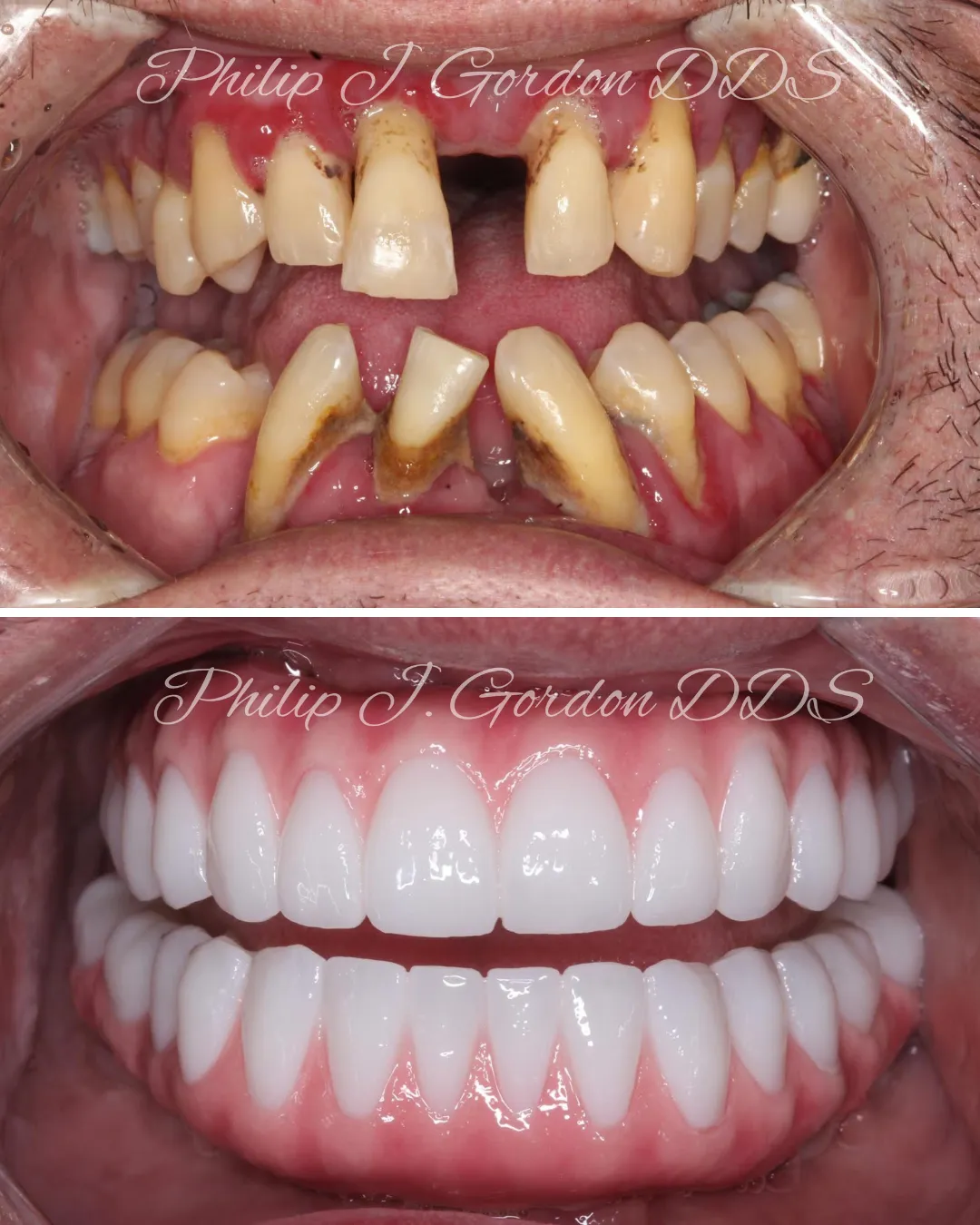
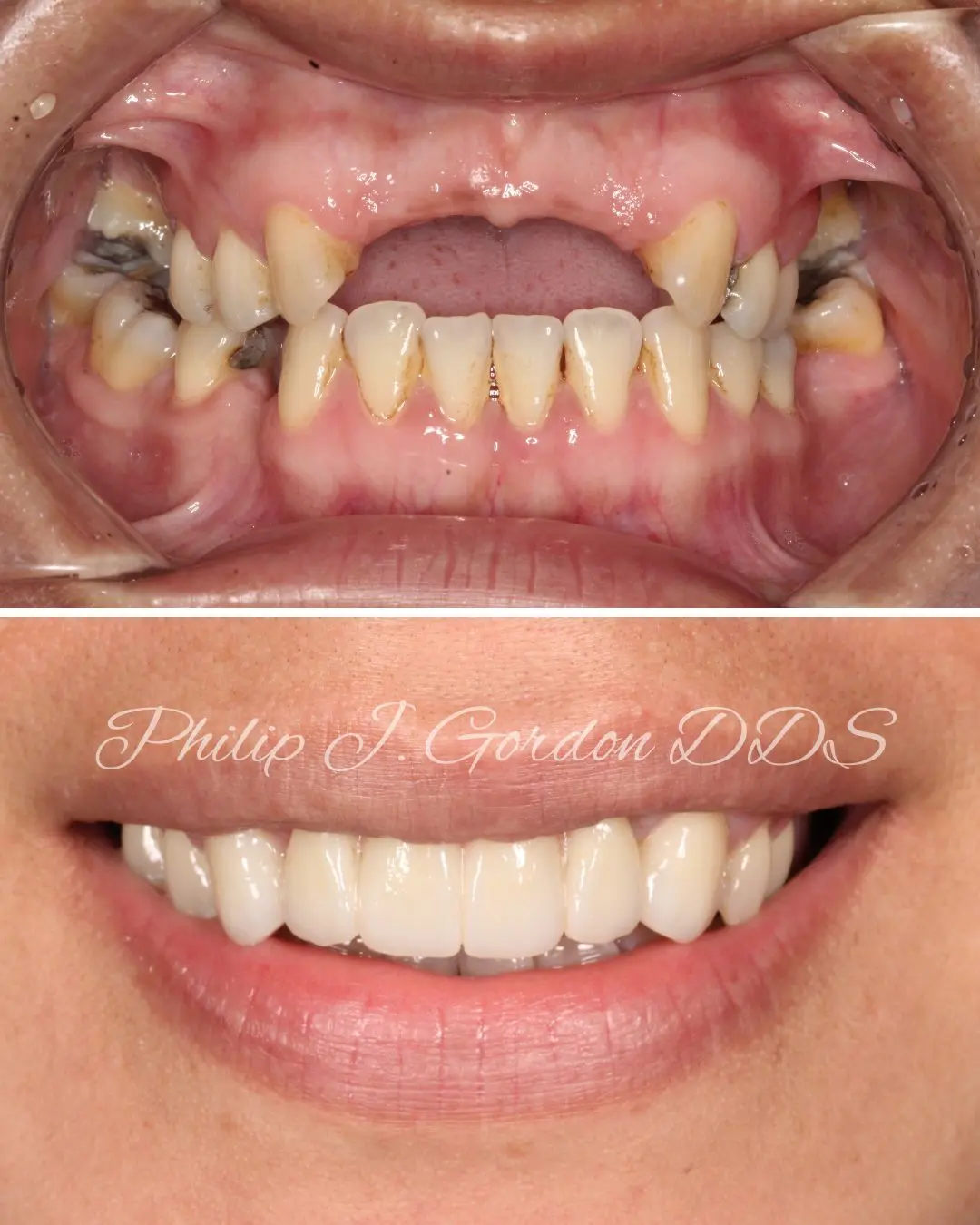
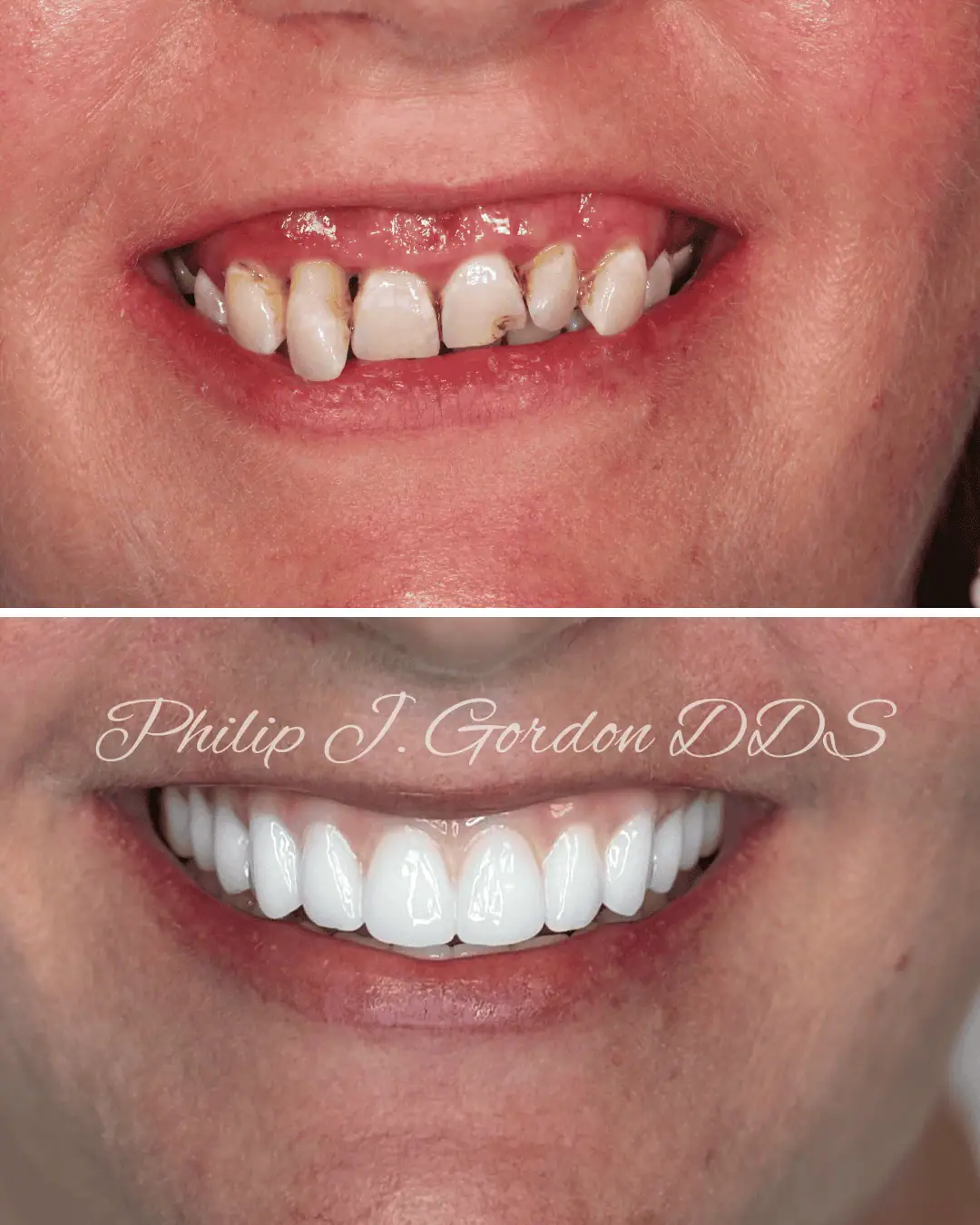
At Gordon Dental Implants & Cosmetics, Dr. Philip Gordon brings more than 15 years of experience in implant and cosmetic dentistry. He has placed and restored more than 10,000 dental implants and offers services such as single tooth implants, all-on-four full arch restorations, snap-on dentures, and cosmetic smile makeovers.
Frequently Asked Questions
Are dental implants better than dentures?
Dental implants may be better for patients who want more stability, stronger chewing support, and a fixed tooth replacement option.
Are dentures more affordable than dental implants?
Dentures usually have a lower upfront cost than dental implants, making them a practical option for many patients.
Do dentures or implants feel more natural?
Dental implants often feel more natural after healing because they are anchored in the jawbone instead of resting on the gums.