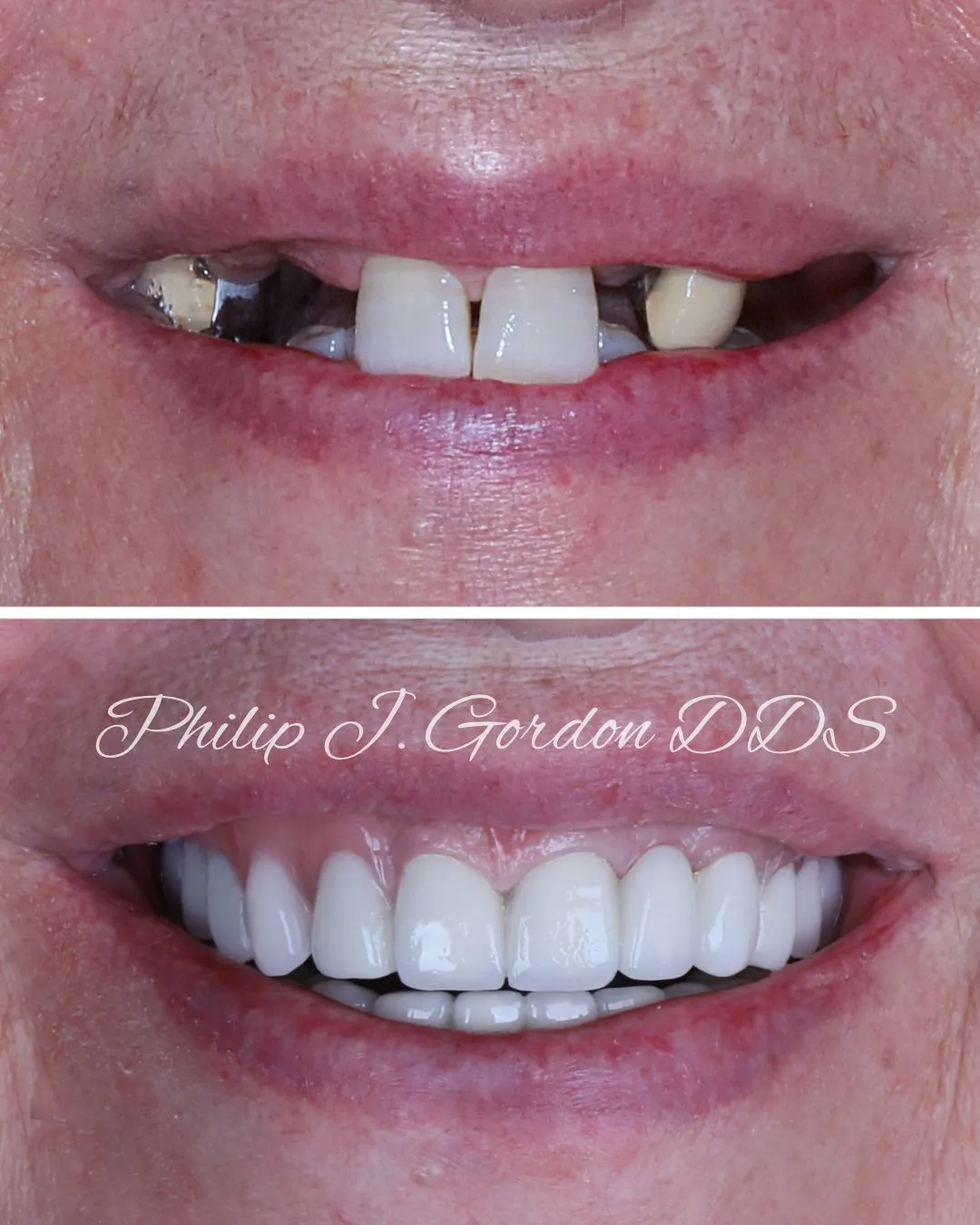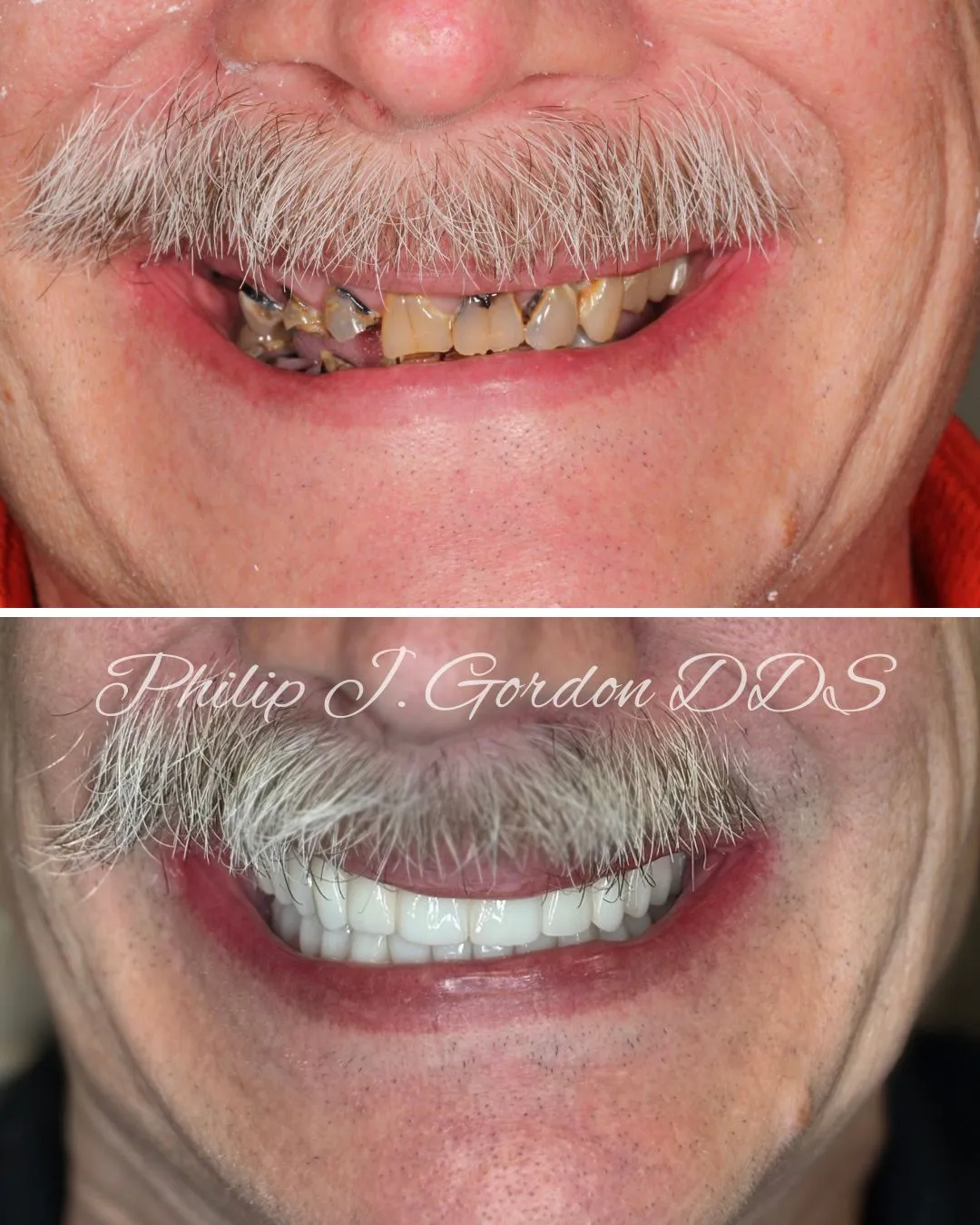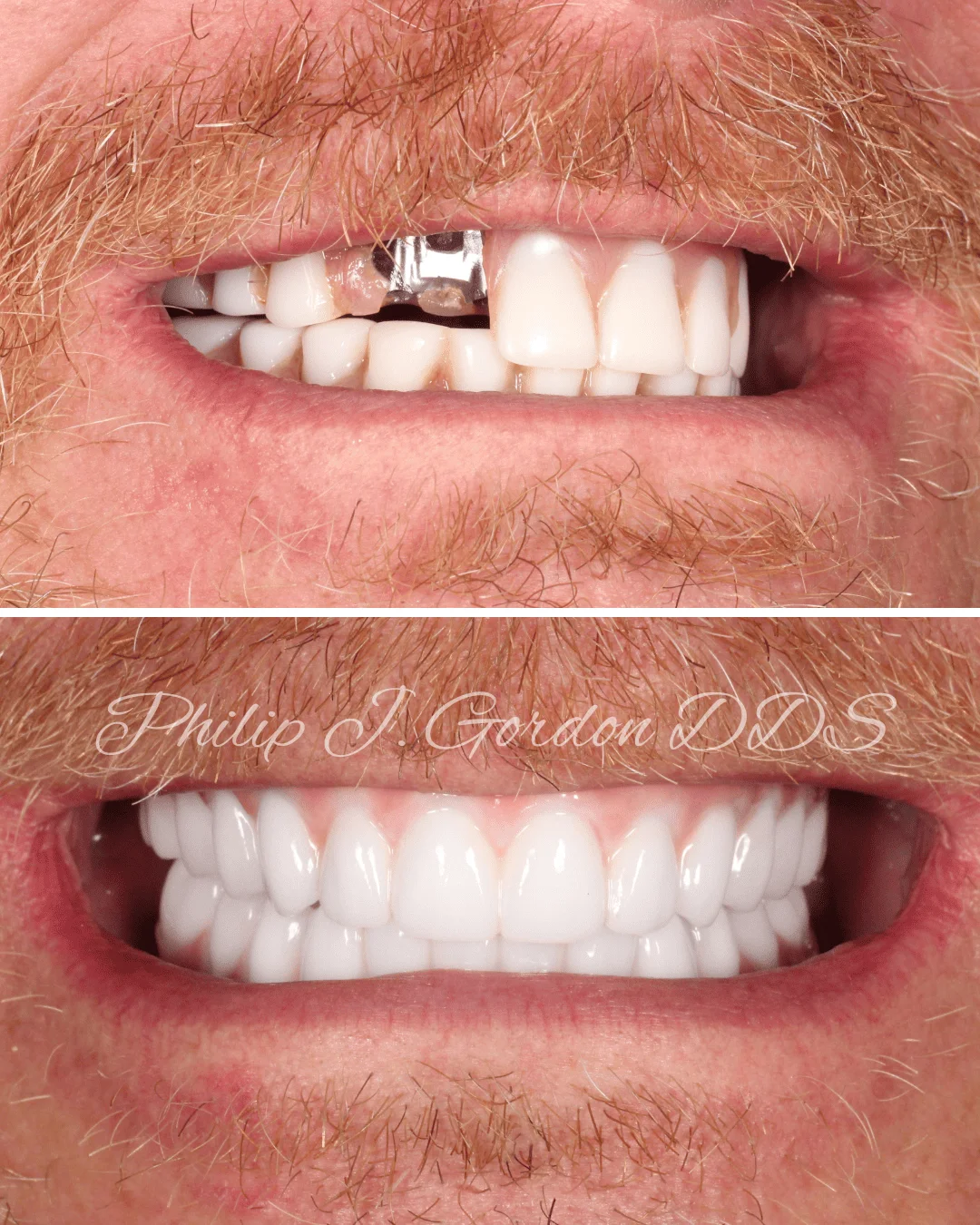
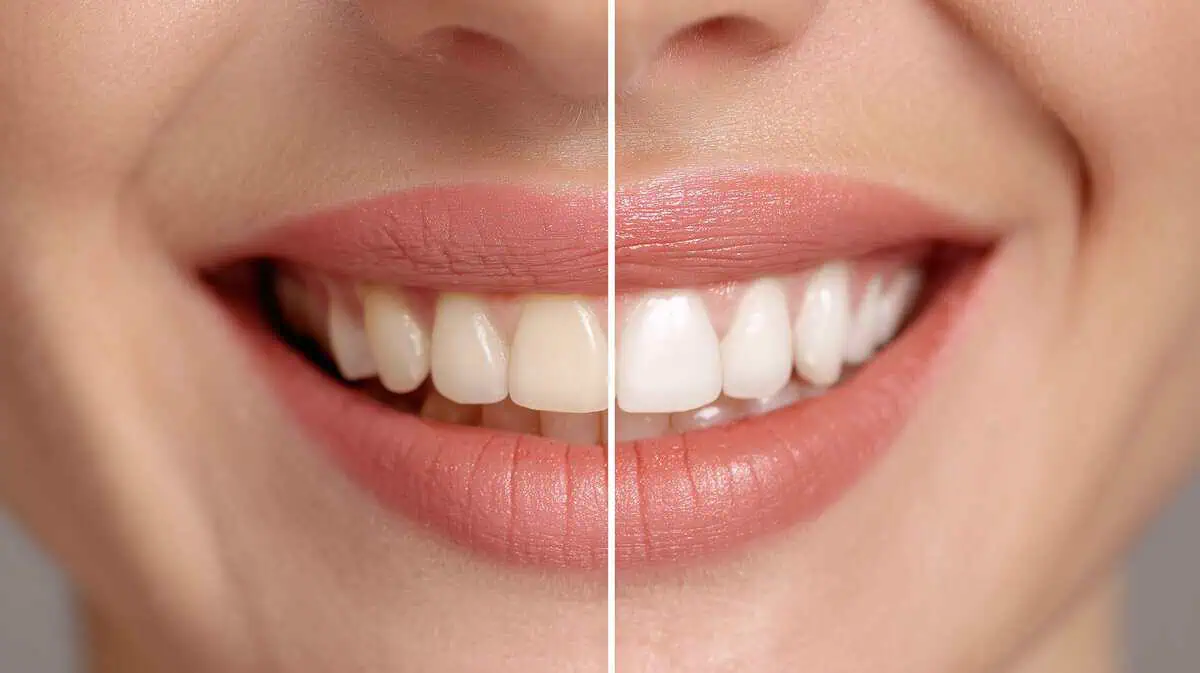
A brighter smile can change how you feel when talking, laughing, or posing for a photo. Still, teeth rarely stay the same shade throughout adulthood. Coffee, certain foods, tobacco, aging, and other factors can gradually leave teeth looking yellow, dull, or uneven.
At Gordon Dental Implants and Cosmetics, we help patients understand what is affecting their tooth color before recommending Professional Teeth Whitening. Identifying the source of staining matters because different types of discoloration may respond differently to whitening.
Why do teeth become stained, and does professional whitening work?
Tooth discoloration can result from dark-colored foods and beverages, tobacco use, aging, oral hygiene habits, certain medications, and changes within the tooth itself. Professional teeth whitening involves using professional-strength whitening gel under dental supervision to remove many common stains and brighten natural tooth enamel. The extent of improvement varies with the type and depth of discoloration.
What Are the Most Common Causes of Tooth Discoloration?
Tooth color can change for several reasons, and sometimes more than one factor is involved. Some stains collect on the outer enamel, while others originate deeper within the tooth.
Understanding the causes of tooth discoloration can help explain why brushing alone does not always restore the color you remember.
Coffee, Tea, Red Wine, and Dark Foods
Coffee and tea are common parts of our daily lives, but their pigments can eventually cling to tooth enamel. Red wine, dark berries, richly colored sauces, and other foods and beverages may also cause surface staining.
Frequent exposure can make these stains increasingly noticeable, especially without regular brushing and professional dental cleanings.
Tobacco Use
Smoking and other tobacco products can leave long-lasting yellow or brown stains. Tobacco contains compounds that can settle on the enamel and alter the appearance of the teeth over time.
Stopping tobacco use can help reduce future staining, although discoloration that has already developed may need professional attention.
Natural Aging
Teeth can naturally appear darker or more yellow with age. The enamel covering each tooth gradually becomes thinner, allowing more of the naturally yellowish dentin underneath to show through.
Years of exposure to staining foods and drinks can add to these changes, making age-related discoloration more noticeable.
Oral Hygiene and Plaque Buildup
Plaque and surface stains can leave teeth looking dull. Regular brushing, flossing, and professional cleanings help control buildup and support a cleaner-looking smile.
If discoloration remains after routine dental care, cosmetic whitening may be considered once the health of your teeth and gums has been evaluated.
Certain Medications and Internal Changes
Some medications can affect tooth color. Discoloration may also originate within a tooth due to developmental changes, prior trauma, or other dental factors.
These deeper color changes do not always respond to whitening in the same way as coffee or tobacco stains. A dental evaluation helps us determine what may be causing the color change and which cosmetic approach makes sense.
Why Some Tooth Stains Are Easier to Whiten Than Others
Whitening tends to be especially useful for many stains associated with foods, beverages, tobacco, and general yellowing. Stains located deeper within a tooth can be less responsive.
Existing dental restorations are another consideration. Whitening gel changes the shade of natural tooth structure, but it does not change the color of crowns, veneers, or fillings. If restorations are visible when you smile, we consider their shade when discussing your whitening goals.
This distinction is one reason why seeing a teeth-whitening dentist can be useful. Instead of treating every type of discoloration the same way, we can examine your teeth and discuss what kind of improvement may be realistic for your smile.
How Professional Teeth Whitening Targets Discoloration
Our approach to Professional Teeth Whitening in Kansas City begins with an evaluation of patients’ oral health, current tooth shade, sensitivities, and cosmetic goals.
During treatment, we protect the gums before carefully applying professional-strength whitening gel to the teeth. Depending on the selected treatment, a specialized LED light may also be used during the whitening process.
Professional supervision gives us greater control over the treatment than you have with a generic store-bought product. It also allows us to account for sensitivity and existing dental work before whitening begins.
For patients interested in broader smile improvements, our cosmetic dentistry services can provide additional options based on the condition and appearance of the teeth.
Why the Cause of Discoloration Matters Before Whitening
Seeing a darker tooth or yellowing does not automatically mean whitening should be the first step. We want to understand why the color changed.
A dental evaluation may look for:
- Surface stains caused by food, beverages, or tobacco
- Plaque or buildup that may benefit from professional cleaning
- Existing crowns, veneers, or fillings that will not whiten
- Untreated cavities or gum concerns
- Deeper discoloration that may respond differently to whitening
At Gordon Dental Implants and Cosmetics, whitening consultations include an oral health evaluation and a discussion of your desired shade and sensitivity concerns.
Patients considering cosmetic dentistry in Kansas City may also find that whitening is one part of a larger cosmetic plan. For example, teeth with restorations or significant structural concerns may require a different approach to create a balanced appearance.
Keeping Your Teeth Brighter After Professional Whitening
Whitening can address existing stains, but your everyday habits continue to influence tooth color afterward. A few practical changes can help limit new surface staining.
Try rinsing with water after coffee, tea, red wine, or dark-colored foods. Consistent brushing and flossing also help control plaque and surface buildup. If you use tobacco, avoiding it can benefit both tooth color and overall oral health.
Regular dental cleanings are valuable as well. They help remove plaque and surface stains that routine brushing may leave behind.
Professional whitening results vary based on diet, oral hygiene, tobacco use, and other individual factors, so maintaining a brighter shade is an ongoing process rather than a single treatment decision.
A Brighter Smile Starts With Understanding the Stain
Tooth discoloration can come from something as familiar as a morning cup of coffee or from changes occurring deeper within the tooth. Knowing the cause helps us determine if professional whitening is likely to provide the kind of improvement you want.
At Gordon Dental Implants and Cosmetics, we evaluate your tooth color, oral health, sensitivities, and existing dental work before recommending a whitening plan. Our goal is to help you make an informed choice and achieve a brighter smile that still looks natural.
Have questions about staining or want to know how your teeth may respond to whitening? Contact Gordon Dental Implants and Cosmetics to schedule a consultation and discuss your smile goals with our team.