Table of Contents
So, you’re ready for dental implants and looking forward to a strong, natural smile again. Then comes the surprise news that you don’t have enough bone, which can feel discouraging at first. The good part is that this is actually a common step in the process. At Gordon Dental Implants and Cosmetics, we guide people through this every day with calm confidence.
A solid base is key because implants need stable bone to stay secure. When that support isn’t yet in place, dental bone grafting steps in to rebuild it. Dr. Philip J. Gordon offers this treatment for patients in Kansas City. By restoring the bone first, you’re set up for smooth and successful dental implants.
What is Dental Bone Grafting?
Dental bone grafting is a surgical procedure that adds volume and density to your jawbone. But why does the bone disappear in the first place?
Your jawbone has a “use it or lose it” policy. When a tooth is present, its root constantly stimulates the bone, signaling that it’s needed. When a tooth is missing, that signal is gone. The body, ever efficient, perceives that part of the jaw is no longer in use and begins to resorb, or break down, the bone. This can occur due to a missing tooth, oral trauma, or even gum disease.
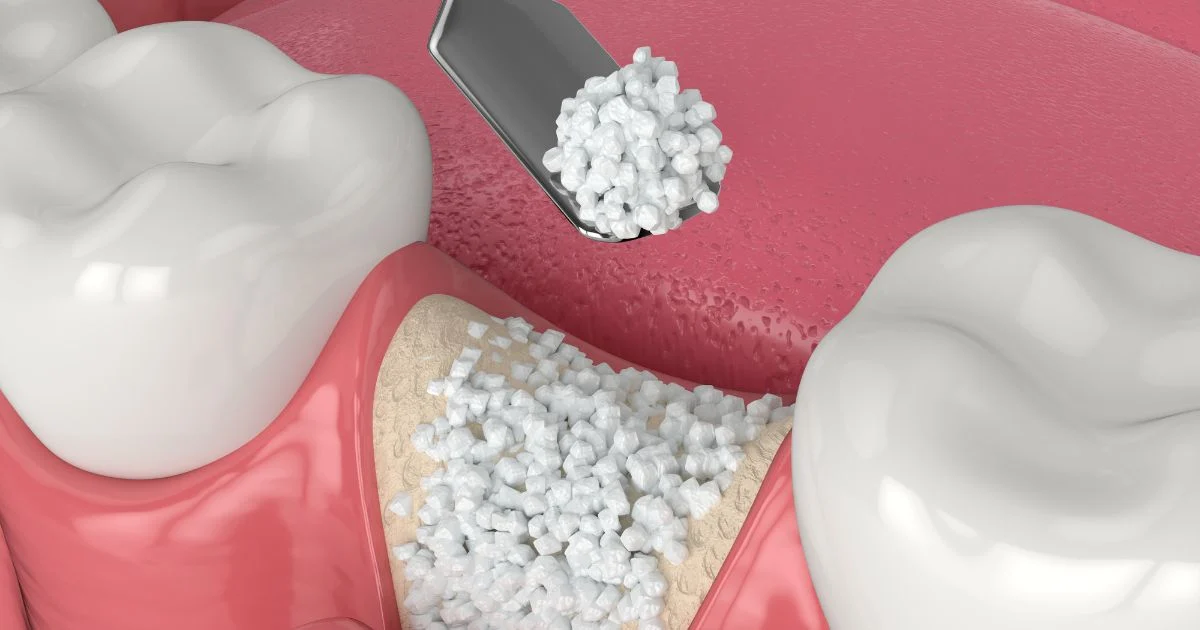
A bone graft surgery places special grafting material in the area where bone was lost. This material acts as a scaffold, or a placeholder. It creates a space and provides a framework that encourages your own body to grow new, strong bone. This jawbone restoration process rebuilds the jaw, making it thick and solid enough to support a dental implant.
Why is Your Jawbone Important for this Procedure?
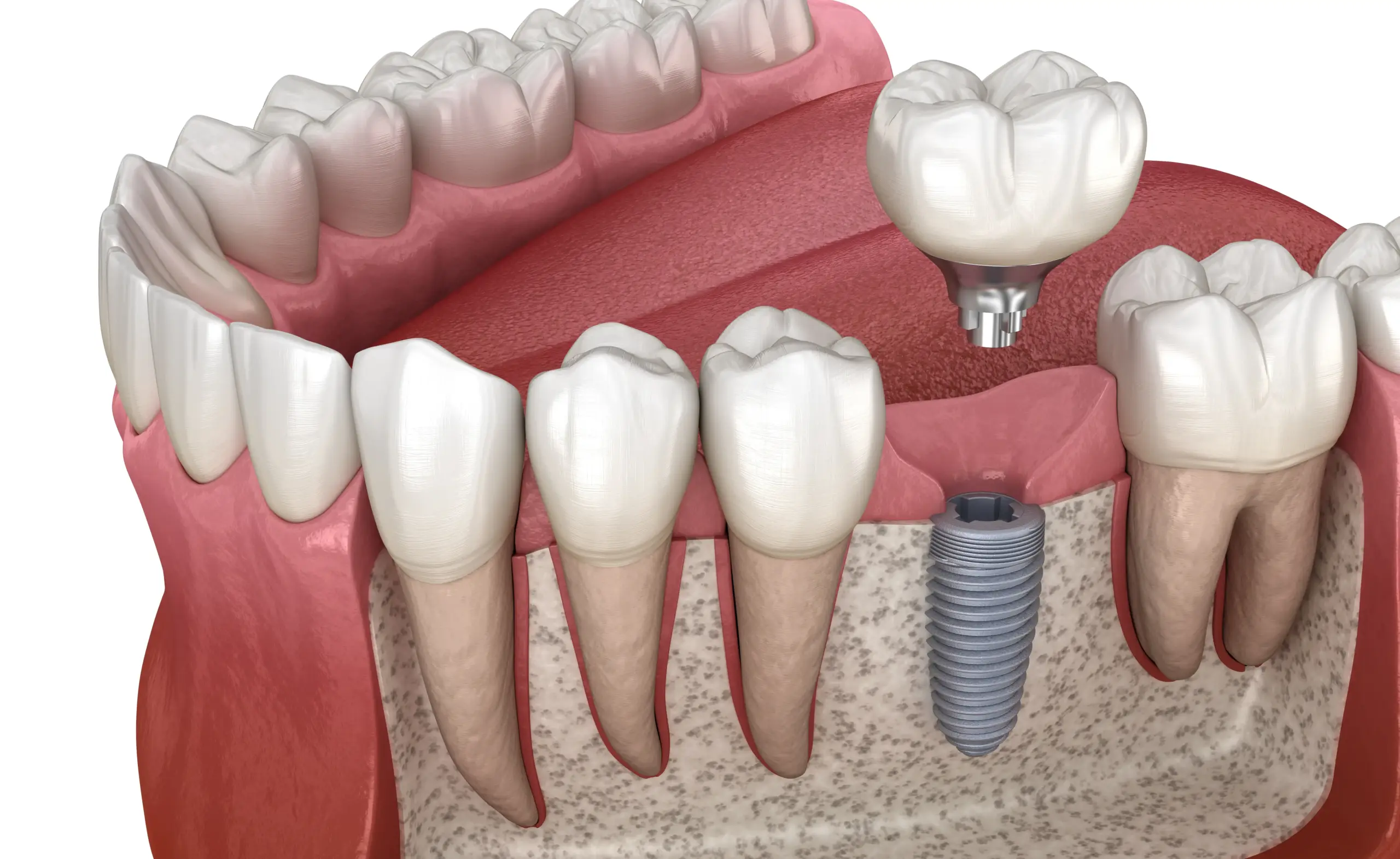
To understand why dental bone grafting is so important, it helps to know how an implant works. A dental implant is a small, titanium post that is surgically placed into your jawbone. It’s designed to act just like a natural tooth root.
The real magic happens during the healing process. Your living bone actually fuses directly to the titanium post, a process called osseointegration. This fusion is what makes an implant incredibly strong and permanent. But this fusion can only happen if there is enough healthy bone to surround the implant.
If you try to place an implant in a thin or soft jawbone, it’s like trying to put a fence post in shallow, soft ground. It will be wobbly and will ultimately fail. A bone graft for dental implants ensures the post has enough “grip” from dense, healthy bone on all sides. This step is the most critical part of dental implant preparation for many patients.
Do You Really Need a Bone Graft?
During your consultation, we’ll use advanced 3D imaging to get a clear view of your bone structure. This helps Dr. Gordon determine if you need a graft.
Here are the most common reasons a bone graft for dental implants becomes necessary:
- You’ve had a missing tooth for a long time. Bone loss starts almost immediately after a tooth is extracted. If a tooth has been missing for six months, a year, or several years, you will almost certainly have lost some bone volume.
- You had a difficult extraction or oral trauma. If the bone was damaged during tooth removal or in an accident, a graft can repair the defect.
- You have severe gum disease. Periodontitis, a serious form of gum disease, is an infection that can actively destroy the bone that supports your teeth.
- You’re getting an implant right after an extraction. Sometimes, Dr. Gordon will place a small graft into the empty socket immediately after pulling a tooth. This is called “socket preservation,” and it’s a proactive way to prevent bone loss from happening in the first place.
If you’ve been told by another dentist that you “lack enough bone for implants,” please don’t give up. Our expertise in advanced Dental Bone Grafting in Kansas City might be the solution you’ve been looking for.
The Different Types of Bone Graft Materials
When we talk about “grafting material,” it’s not a one-size-fits-all situation. The goal is always to use a safe, biocompatible material that your body can use as a template for new bone. At Gordon Dental Implants & Cosmetics, we offer several high-quality options, and Dr. Gordon will select the one that is best suited to your specific case.
Autogenous Bone Graft (Autograft)
This is bone taken from your own body, often from your chin, the back of your jaw, or sometimes the hip. It’s considered the gold standard by many because it’s your own living tissue, containing your own bone-growing cells. This ensures great, natural results.
Dr. Gordon’s expertise extends to advanced procedures, such as block grafts and Khoury plates, performed using this method. The main downside is that it requires a second small surgical site to retrieve the bone.
Allograft
This is safe, reliable, and very common. An allograft involves using bone from a human tissue donor obtained from a certified bone bank. This material is rigorously screened, sterilized, and processed, so it’s completely safe and acts as an excellent framework for your own bone to grow into. Dr. Gordon achieves long-lasting results with this method, and it avoids a second surgical site.
Xenograft
A xenograft is a material derived from an animal source, typically bovine (cow). This bone undergoes a rigorous processing system that removes all organic material, leaving only the mineral scaffold. This scaffold is very similar to human bone and provides fantastic stability. We have decades of experience with trusted xenograft brands that deliver highly reliable outcomes, often combined with an allograft or your own bone.
Alloplast
This is a synthetic, or man-made, graft material. Alloplasts are made of biocompatible materials that your body recognizes as friendly. They act solely as scaffolding, encouraging your bone to grow and replace the material over time. This is a great option because it is sterile, safe, and involves no donor tissue.
Does It Require A Long Time To Heal?
This is the part that requires patience. The bone graft healing time is when your body does its most important work. Typically, a bone graft needs to heal for three to six months before it’s strong and dense enough to support a dental implant. In some more complex cases, it may take longer.
It can feel like a long wait, but this healing period is what ensures your dental implant has a rock-solid foundation. Rushing this step is not an option if you want a successful, long-lasting result. We will monitor your progress along the way to ensure everything is healing properly.
Your Foundation for a Confident Smile
A dental bone graft isn’t a setback; it’s the setup for a successful implant. It’s the essential first step that can take you from being told “no” to finally getting the permanent, confident smile you deserve.
At Gordon Dental Implants and Cosmetics, we know this is an investment in your health. Don’t let a lack of bone stand between you and a life-changing implant. Find out what’s possible with a team that has the advanced skills to handle everything from simple grafts to complex jawbone restoration.
Ready to take the next step? Schedule Your Dental Bone Grafting Consultation Today.