
Table of Contents
A missing tooth rarely stays a simple gap. What begins as one empty space can slowly change how you chew, how you speak, and how your other teeth line up. Plenty of people in Kansas City put off treatment because the problem feels small at first, even as the mouth keeps changing beneath the surface.
At Gordon Dental Implants and Cosmetics, we help patients catch these changes early. Below are seven signs you need dental implants, along with why acting sooner often makes treatment simpler.
What are the signs you need dental implants?
The most common signs include a missing or loose tooth, trouble chewing, shifting teeth, a sunken facial appearance, and a denture or bridge that no longer fits well. If any of these sound familiar, a dental exam can show if implants are the right fit for you.
Can You Actually Fix Missing Teeth?
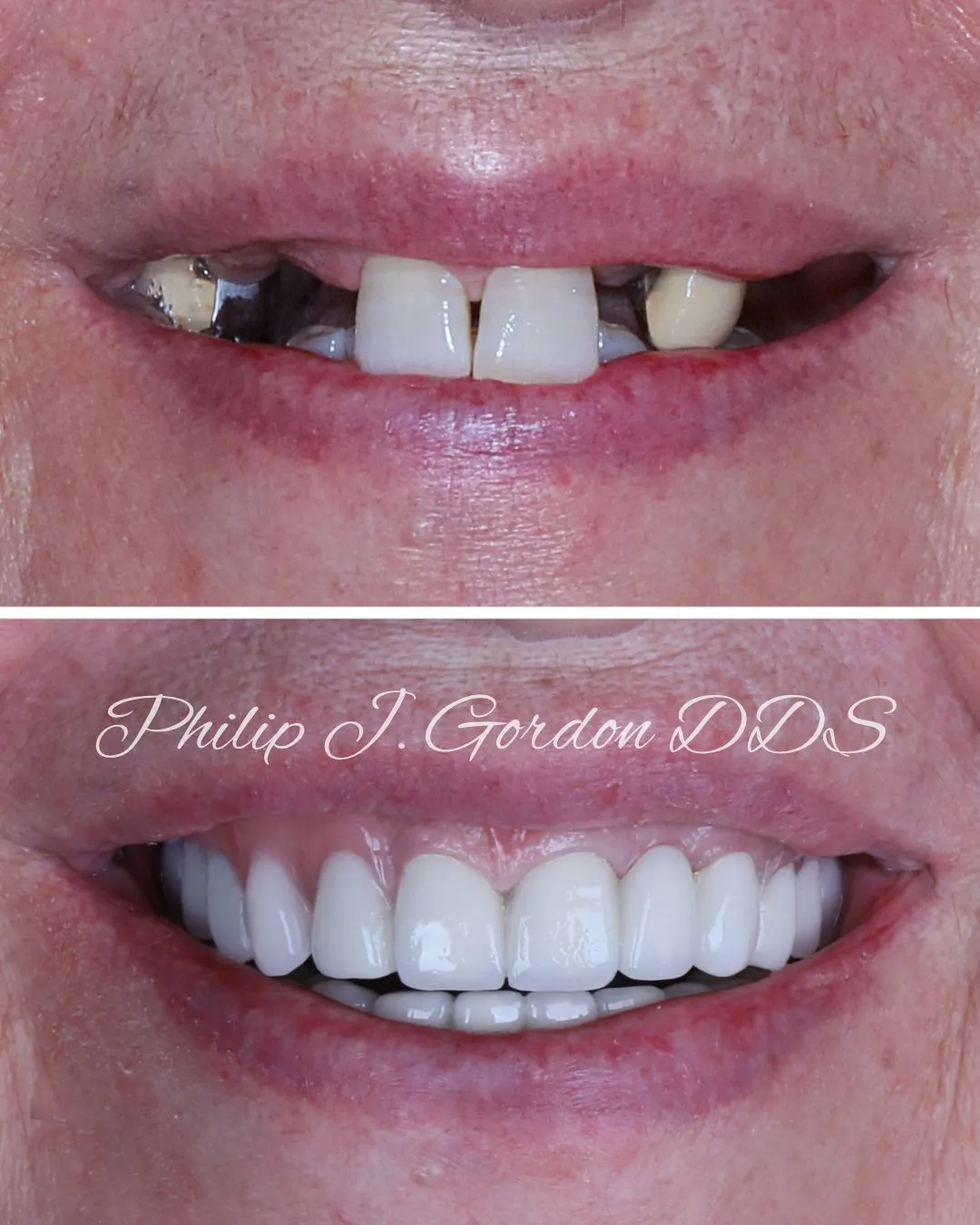
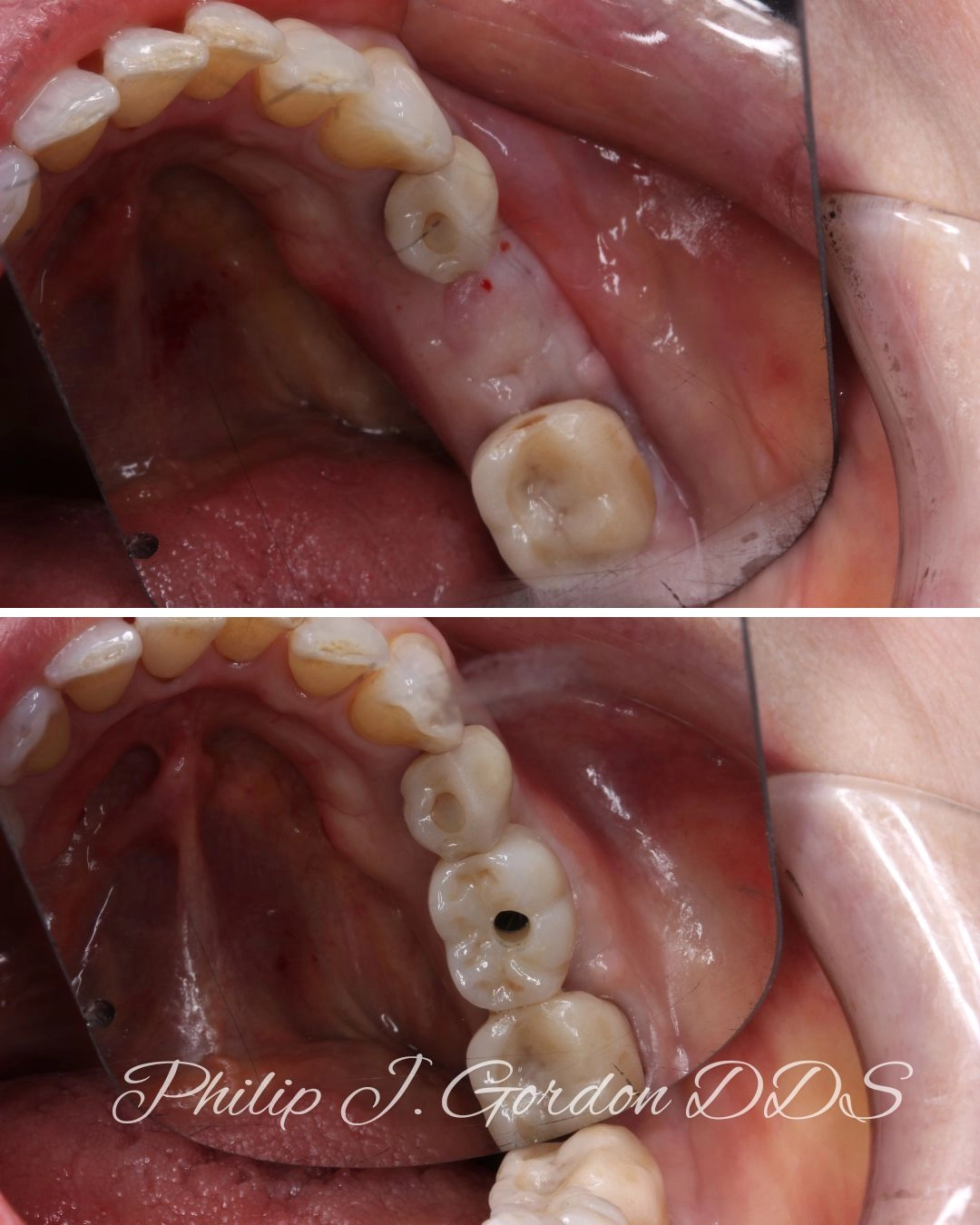
Missing teeth are common and treatable at almost any stage. A dental implant is a small titanium post that replaces the root of a lost tooth and is topped with a natural-looking crown. Because it sits in the jaw the way a real root does, it restores both function and appearance.
The reason to pay attention early is simple. Recognizing the warning signs before the surrounding teeth and bone react protects the rest of your mouth and usually keeps treatment more straightforward.
Not every missing tooth calls for the same fix. Some patients do well with a single implant and crown, while those missing several teeth in a row may be better served by an implant-supported bridge or a full-arch option. Knowing which sign you are dealing with is the first step toward the right solution.
Sign 1: You Have a Missing Tooth (Or More Than One)
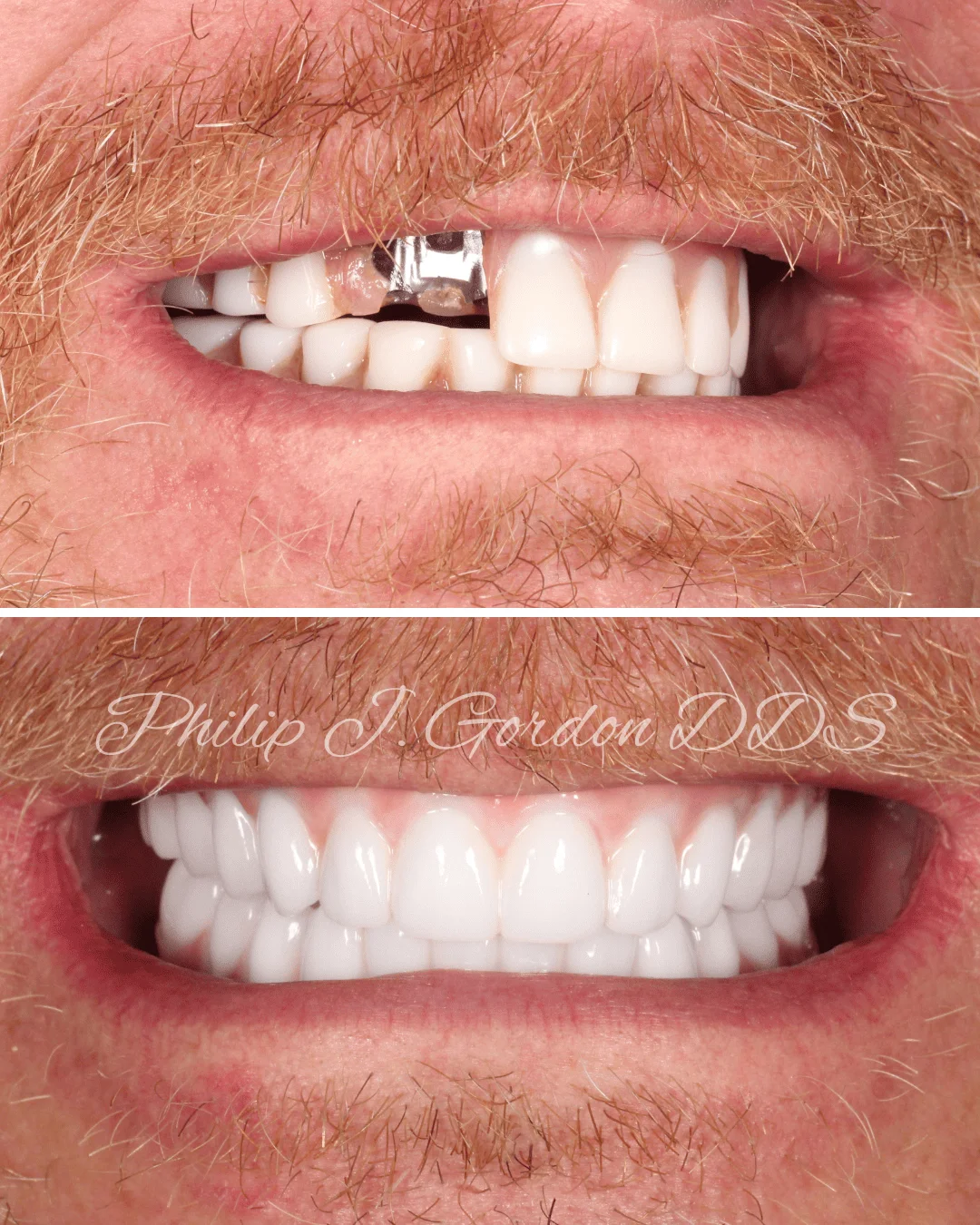
An open gap is one of the most obvious signs you need dental implants, but the real issue is what happens beneath the surface. Once a tooth is gone, the neighboring teeth slowly lean or drift toward the empty space. The longer that gap sits untreated, the more your bite and surrounding teeth shift out of alignment. Dental implants for missing teeth fill the space and hold everything in its proper position.
Sign 2: A Tooth Feels Loose or Keeps Causing Problems
A loose adult tooth is a warning sign that the bone or gum support around it is breaking down. Teeth that crack repeatedly, get infected again and again, or have been repaired many times may be reaching the end of their usable life. Replacing a failing tooth on your own schedule is far easier than reacting to a dental emergency, and it gives you time to plan the best long-term solution.
Sign 3: Chewing or Speaking Has Gotten Harder
Trouble chewing on one side or quietly avoiding certain foods often points to a missing or damaged tooth. Gaps can also change how you pronounce certain sounds, which many people notice before they connect it to a tooth. Because implants anchor directly into the jawbone, they restore a stable chewing surface that feels close to that of a natural tooth.
That stability is one of the clearest reasons patients look into missing teeth solutions in the first place. Over time, chewing mostly on one side can also strain your jaw joints and wear down the teeth.
Sign 4: Your Other Teeth Are Shifting or Your Bite Feels Off
Teeth naturally move toward an empty space, so one gap can cause the rest of your smile to crowd or separate over time. A changed bite can bring on jaw discomfort, uneven wear, and grinding that wears teeth down faster than normal.
Filling the space early helps hold your remaining teeth where they belong. This domino effect is a big part of why ignoring a missing tooth often leads to larger problems later. Catching the shift early is often the difference between a simple replacement and more involved treatment down the road.
Sign 5: Your Face Looks Sunken or You’re Losing Jaw Bone
A change in your facial shape can be one of the more surprising signs you need dental implants. Your jawbone needs stimulation from a tooth root to stay strong, and when a tooth is gone, the bone in that area gradually shrinks.
This process is called bone resorption, the slow loss of jawbone after a tooth is lost. Implants are the only replacement option that replaces the root itself, helping preserve bone and support the natural contours of your face.
Sign 6: Your Denture or Bridge No Longer Fits or Feels Right
A denture that slips or a bridge that suddenly feels loose is a sign that the support underneath has changed. Ongoing sore spots, difficulty eating, or a need for repeated adjustments are all worth a professional look.
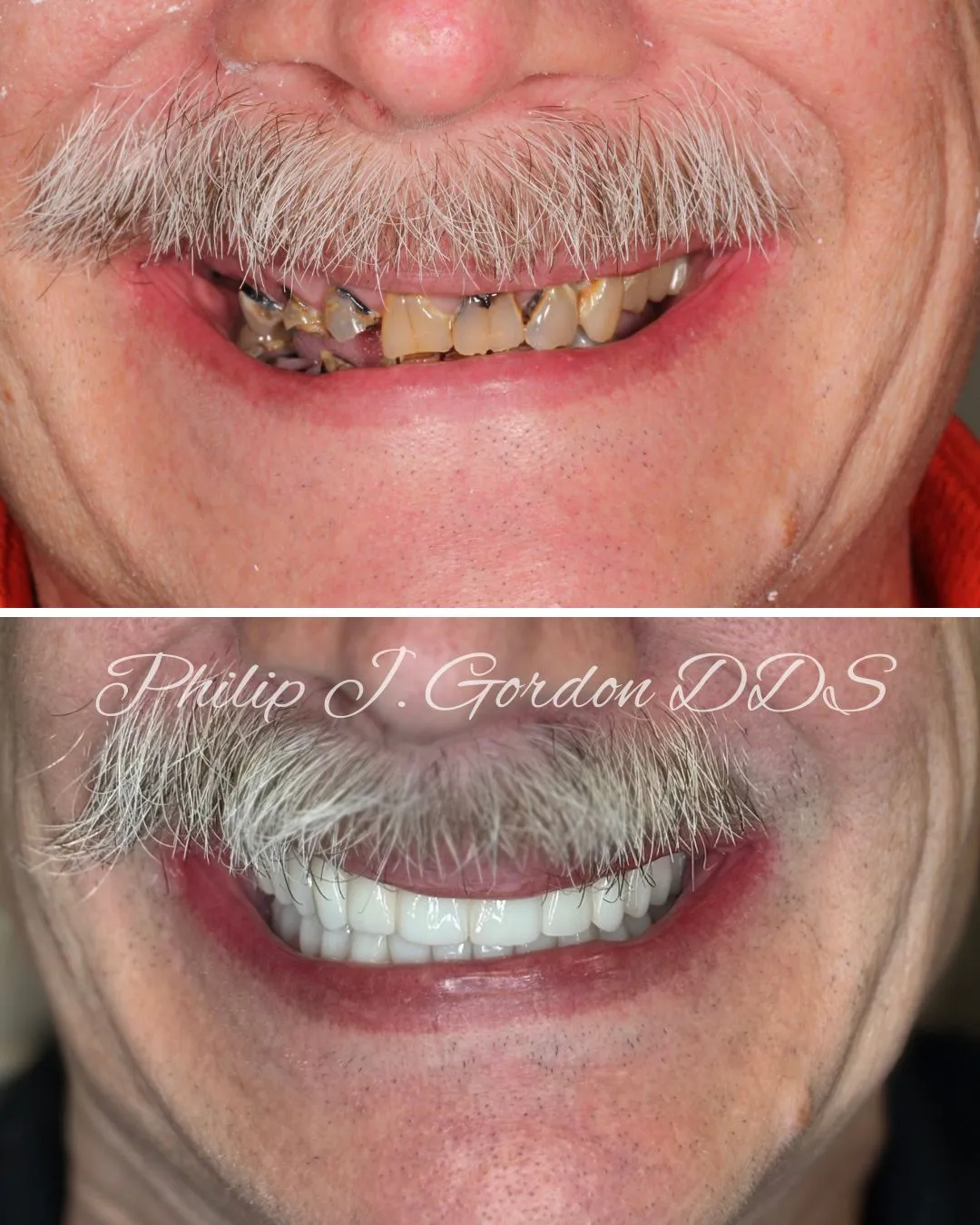
Implants can stabilize a loose denture or replace a failing bridge with a more secure, lasting foundation. For patients missing a full arch, the All-on-Four® technique uses four implants to support a complete set of fixed teeth, often without the need for bone grafts.
Sign 7: Persistent Gum Issues or a Tooth You’ve Been Putting Off
Chronic gum inflammation, or a tooth your dentist has already flagged for removal, is a strong reason to plan ahead. Advanced gum disease, known as periodontitis, affects the bone that supports your teeth and can lead to tooth loss if left unchecked.
Planning a replacement before a tooth is actually lost often keeps more of your options open, since more healthy bone usually means a simpler path forward. If you have been quietly putting off a tooth you know needs attention, treating it as a plan rather than an emergency gives you far more control over the result.
Are You a Good Candidate for Dental Implants?
Most dental implant candidates have healthy gums and sufficient jawbone to support the post, though bone grafting can help when the bone is thin. During an evaluation, a provider reviews several factors:
- Overall health and any conditions that affect healing
- Gum health and any signs of active gum disease
- Smoking, which can slow recovery
- Certain medications that influence bone or healing
An exam and imaging are how candidacy is truly determined, and results vary from person to person. If you have been searching for dental implants in Kansas City, a consultation is the most reliable way to know where you stand.
Ready to Take the Next Step Toward a Complete Smile?
You do not have to guess which of these signs applies to you. The team at Gordon Dental Implants and Cosmetics will look at your teeth, gums, and jawbone and explain your options in plain language. Schedule a consultation today to find out if dental implants are the right long-term solution for restoring your confidence and function.