Table of Contents
People generally choose dental implants because they feel sturdy, look natural, and are made to last for a long time. Still, more and more people are looking online for information regarding faulty and failing implants. Pain around an implant, a loose crown, or swelling at the gum line can make you worry very quickly. When something feels off, people want clear explanations, not sales language.
Dr. Philip J. Gordon, DDS, meets patients at Gordon Dental Implants and Cosmetics who were told their implants were permanent, but then years later they are still having problems or pain. If you know why implants fail, you can spot problems early and keep your mouth healthy before they get worse.
This guide talks about the most common reasons why implants break and fail, the signs to look out for, and when you should visit a doctor, especially if you live in Kansas City or a surrounding area and have broken or failing implants.
Why Dental Implants Can Stop Working Over Time
Dental implants are sturdy, but they can still be affected by stress, infection, or changes in the mouth. A broken dental implant or loose dental implant rarely happens overnight. Problems often develop slowly and become noticeable only when damage is already underway.
Several factors can affect implant stability, including bone health, bite pressure, oral hygiene, and how the implant was placed. In many cases, failing dental implants are the result of multiple issues working together rather than a single mistake.
Recognizing these causes early gives patients more options and often leads to better outcomes.
1. Bone Loss Around the Implant
Healthy bone is the foundation of every successful implant. When bone begins to shrink or weaken, the implant can lose its support.
Why does bone loss happen
Bone loss is one of the leading causes of dental implant failure. It can develop due to:
- Gum disease around the implant (peri-implantitis)
- Poor oral hygiene over time
- Smoking or tobacco use
- Medical conditions that affect bone density
- Implants placed without enough initial bone support
As bone loss progresses, patients may notice a loose dental implant, gum recession, or tenderness around the site. Left untreated, the implant may no longer be able to stay in place.
Dr. Gordon often sees patients who have had implants put in years ago without getting their bones checked first. Advanced imaging, such as 3D CT scans, helps find these issues before planning for replacement or corrective care.
2. Infection Around the Implant Site
An infected dental implant is a serious concern that should never be ignored. Infection often starts quietly and worsens over time if bacteria collect around the implant post.
Common signs of infection
Signs of dental implant failure that are connected to infection may include:
- Redness or swelling around the gums
- Bleeding when you brush or floss
- Unpleasant taste that won’t go away
- Pain or pressure that doesn’t go away
- Pus or discharge close to the implant
Infections can harm the bone and soft tissue around the implant, which raises the chance of losing the implant. Early treatment may help keep the infection under control, but in more serious situations, the implant may need to be taken out and replaced.
3. Excessive Bite Force or Teeth Grinding
Dental implants do not have the same shock-absorbing ligament as natural teeth. This makes them more vulnerable to excessive force.
How pressure affects implants
Patients who grind or clench their teeth may place repeated stress on an implant. Over time, this pressure can lead to:
- Cracks in the implant crown
- A dental implant fracture
- Damage to the internal implant screw
- Bone loss from constant strain
Bruxism is a common but often overlooked cause of broken and failing implants. A night guard or bite adjustment can sometimes prevent damage, but once a fracture occurs, professional intervention is required.
4. Poor Implant Positioning or Planning
Successful implants depend on precise placement. When an implant is positioned at the wrong angle or depth, problems may appear months or years later.
Problems that come up because to positioning mistakes
If you don’t plan ahead, you could end up with:
- Bite pressure that isn’t even
- Hard to clean around the implant
- The implant is coming loose too soon.
- Higher chance of breaking or getting an illness
Many of Dr. Gordon’s patients come to him for help with implants that were put in by someone else. In fact, about 35% of his work is fixing or replacing implants that didn’t work. Using digital imaging to prepare carefully is a big part of stopping failures from happening again.
5. Fatigue or Fracture of Implant Material
Implant materials can fail under long-term stress; however, this is not common. A dental implant may break because of:
- A lot of chewing for years
- Bad fit for the crown
- Parts that don’t work right
- Making changes over and over without fixing the main problems
Patients may see metal that is not covered, feel a rapid change in their bite, or feel intense pain when they chew. When the implant itself breaks, it usually needs to be taken out and replaced.
6. Loose or Failing Implant Crowns
Not all implant problems involve the post anchored in bone. Sometimes the problem is with the crown that goes on top of it.
Signs That There Is A Problem With The Crown
A crown can become loose because of:
- Cement or screws that are worn out
- Bite imbalance
- Normal wear and tear over time
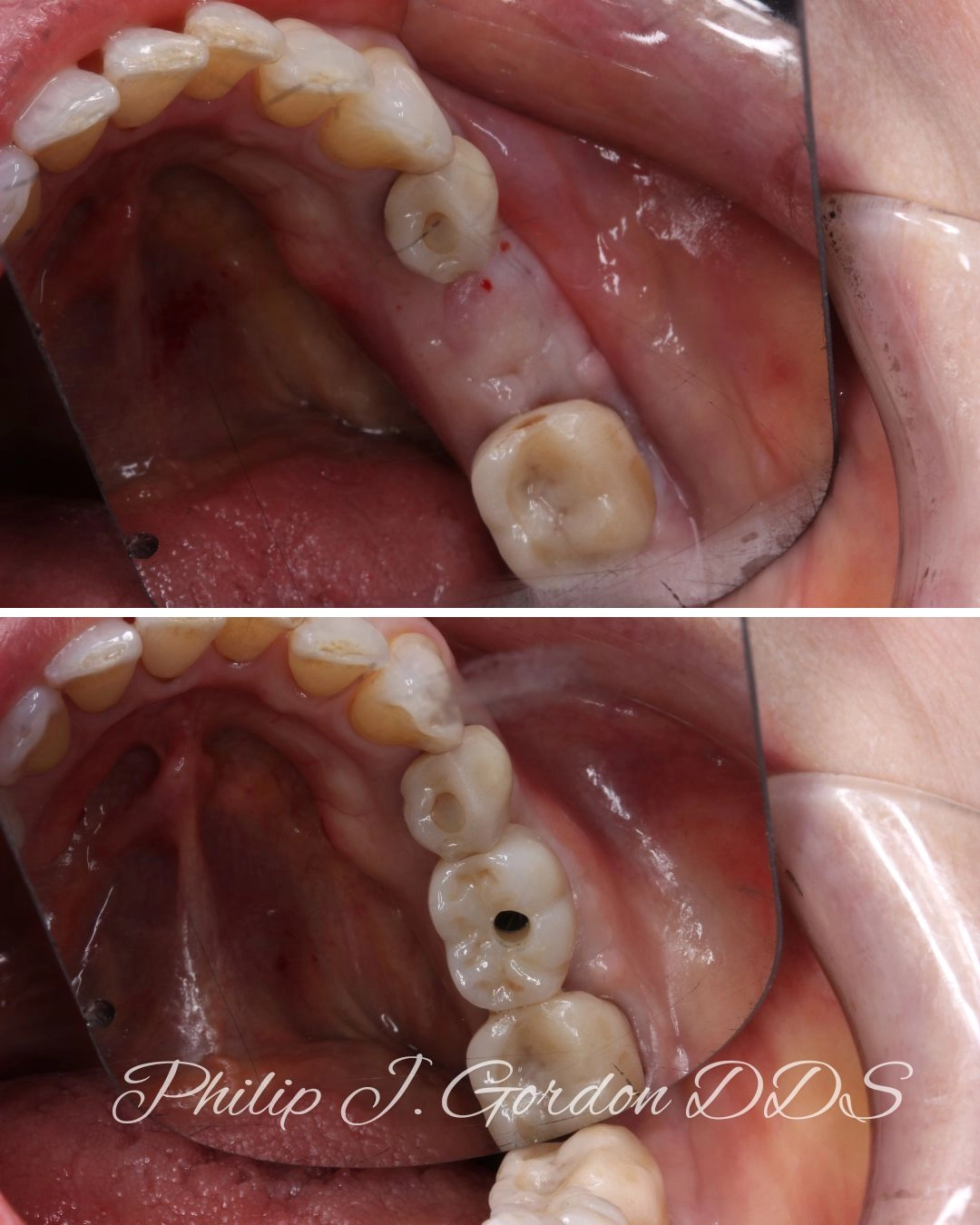
Symptoms can include clicking sounds, moving around during chewing, or food getting stuck. A loose crown doesn’t always mean the implant has failed, but if you ignore it, it could cause more harm underneath.
Prompt assessment can frequently save the implant and get it working again.
How to Tell If Your Dental Implant Is Failing
Patients often ask how to discern the difference between typical sensitivity and a true concern. Some common signs that a dental implant has failed are:
- Pain or tenderness that doesn’t go away around the implant
- Swelling or redness around the gum line
- A sense of being loose or shaky
- Brushing causes bleeding
- Cracks you can see or metal that is exposed
- A terrible taste or smell that won’t go away
If you see any of these indicators, you should see a doctor. If you wait too long, your treatment options may be limited.
Why Taking Care of Broken and Failing Implants Early Is Important
Taking care of problems early can stop more bone loss, infection, or harm to teeth that are close by. A lot of people think that pain is normal or will go away on its own, so they put off getting help until the problem gets worse.
At Gordon Dental Implants and Cosmetics, patients dealing with broken and failing implants in Kansas City, Leawood, or Overland Park receive comprehensive evaluations to determine the cause and best solution. The practice offers complimentary 3D CT scans to assess bone health and implant stability before recommending treatment.
Treatment Options for Failing Dental Implants
Treatment depends on the cause and severity of the problem. Options may include:
- Deep cleaning and infection control
- Crown repair or replacement
- Bone grafting
- Implant removal and replacement
- Corrective All-On-4 treatment
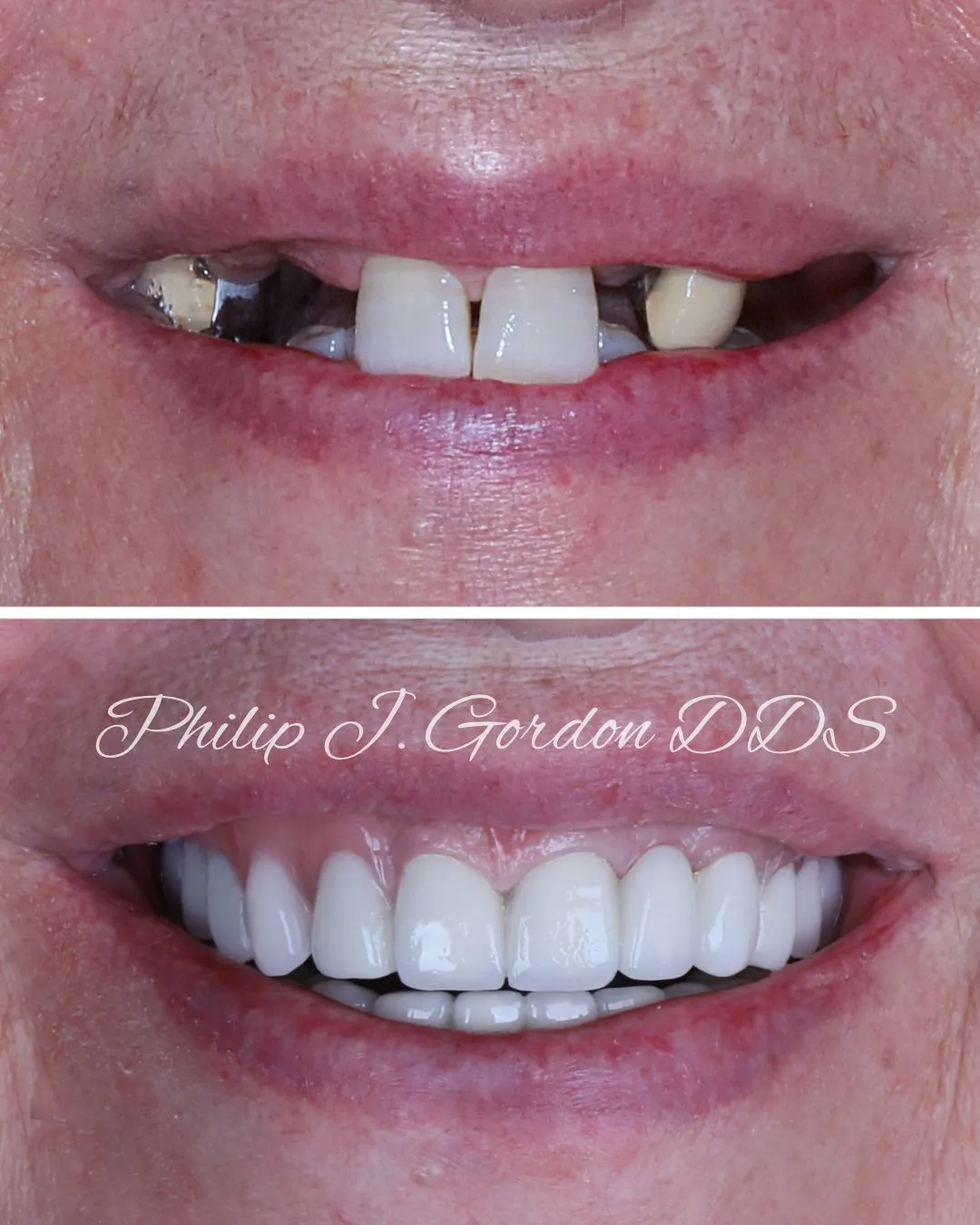
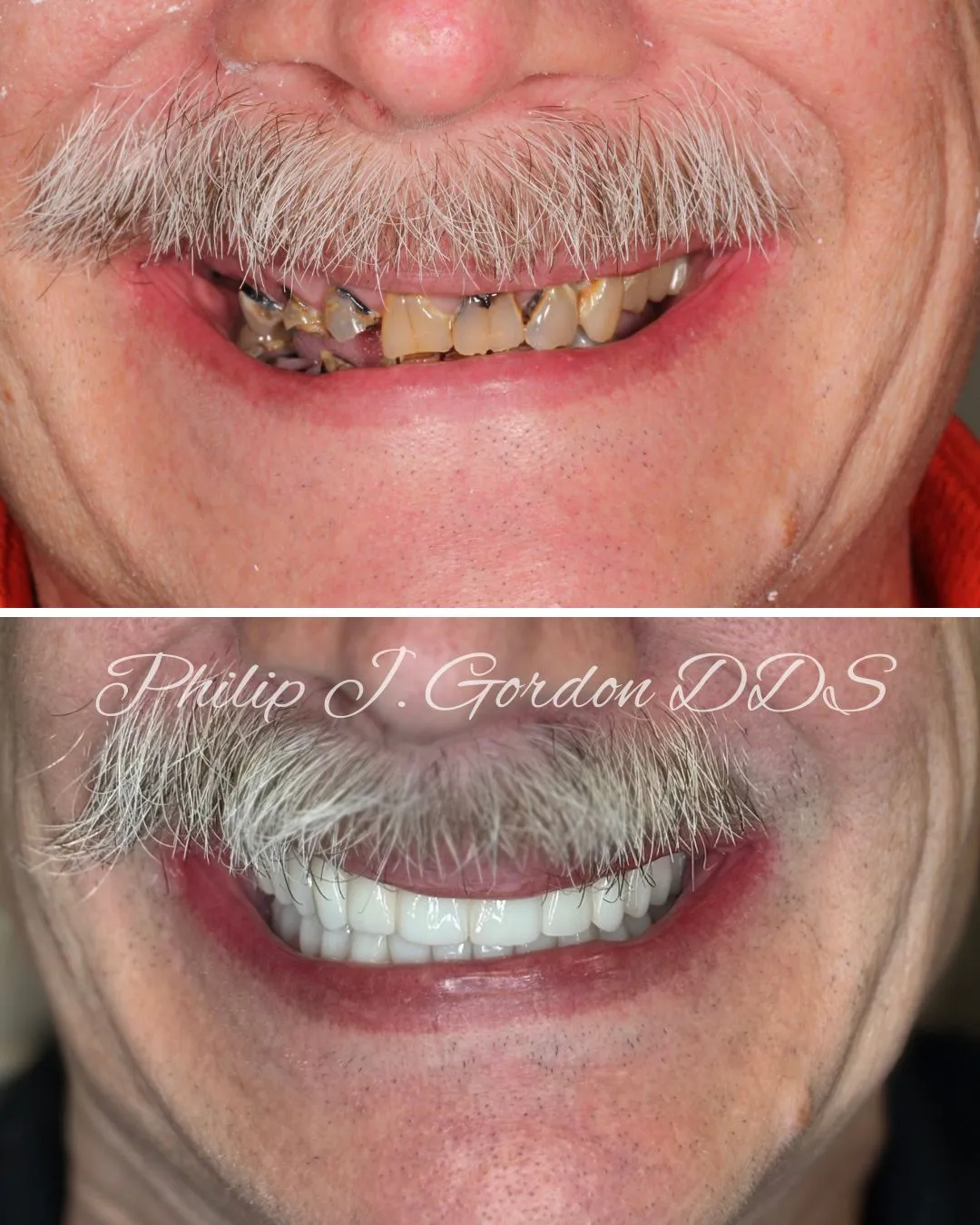
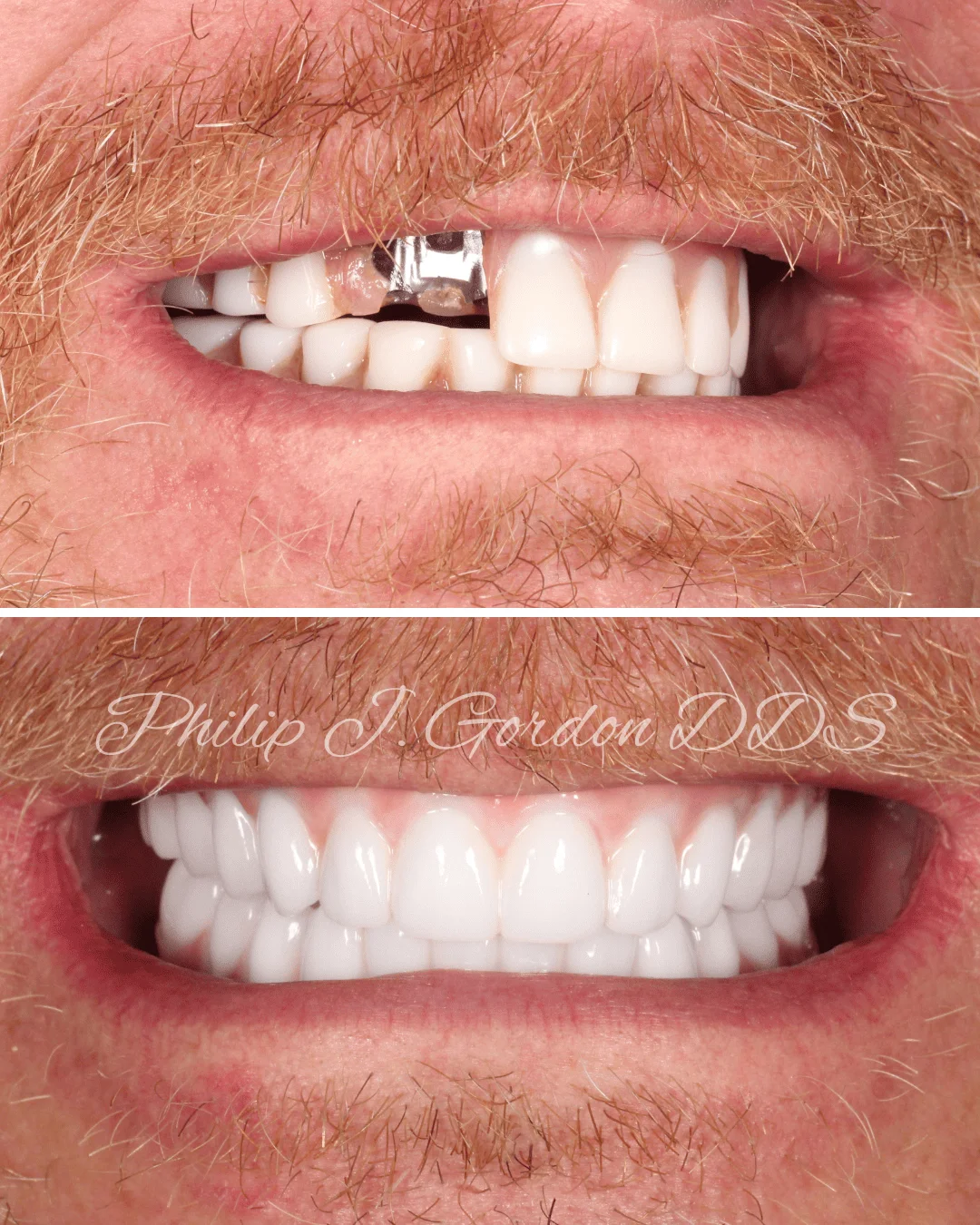
Dr. Gordon specializes in complex implant cases, including failed All-On-4 systems. Patients often travel long distances for his experience in implant correction and replacement.
Protecting Your Dental Implants Moving Forward
While not all implant failures can be prevented, patients can reduce risks by:
- Maintaining consistent oral hygiene
- Attending regular dental checkups
- Addressing grinding or clenching habits
- Reporting discomfort early
- Choosing experienced implant providers
Staying proactive helps protect both your smile and your investment.
When Something Feels Wrong, Trust Your Instincts
Implants should feel secure and comfortable. Pain, looseness, or visible changes are not things to ignore. Broken and failing implants often give warning signs long before serious damage occurs.
At Gordon Dental Implants and Cosmetics, Dr. Philip J. Gordon, DDS, helps patients regain comfort, function, and confidence after implant complications. If you’re unsure about the condition of your implant, professional guidance can make all the difference.
Book a Dental Implant Evaluation Today to get clear answers, a complimentary 3D CT scan, and a personalized plan to address your concerns. Early care can protect your oral health and help you move forward with confidence.